
The freedom to be selective
When people ask what retirement has been like, my answer is simple: I have not been bored for a single day. In fact, I am probably more fully occupied than I expected. The difference is that today I get to choose how I spend my time.
After a long career in banking, I felt confident I was stepping away at the right moment. We had hired my successor more than a year earlier, and the transition was already well underway. But that didn’t mean my final months were quiet. We were deep into strategic planning and completed a significant acquisition that kept me fully engaged right through the end of my tenure. Looking back, it was exactly the work I wanted to be doing. Rather than simply winding down, I was helping position the organization for its next chapter while supporting the leadership team through an important transition. When I left, I knew the organization was in good hands. Knowing that allowed me to turn my attention from succession planning to possibility.
Conversations create opportunity
One of the most valuable things I did before and after retirement was to have conversations. Working with MyNextSeason encouraged me to think more intentionally about life after a fulltime executive role.
As I began exploring possibilities, I reached out to former colleagues, board members, executive recruiters, CEOs, investors, and others in my network. Between late 2025 and early 2026, I had more than 80 conversations. Many started with a simple message: “It’s been a while. Let’s catch up.” Nearly everyone said yes.
The conversations became less about finding opportunities and more about refining what I wanted this next stage of my life to look like. Along the way, they introduced me to new ideas, new connections, and possibilities I never would have discovered on my own. Perhaps most importantly, they reminded me that retirement is not a problem to solve. It is a chapter to explore.
Choosing what fits
Those conversations generated more possibilities than I could pursue, which forced me to answer a different question: What did I actually want retirement to look like? Before retirement, I was appointed to the State of Wisconsin Investment Board, an experience that deepened my interest in governance and strategic oversight. After retiring, I accepted my first new role as a board member for Gorman & Company, one of the nation’s leading affordable housing developers. The opportunity came through someone I had known for years. While the company operates in affordable housing, they were seeking expertise in areas such as governance, succession planning, and executive compensation. The role felt like a natural fit. It also checked every box that mattered to me. I enjoy working with the people involved, I believe in the mission, and I feel I can contribute in meaningful ways.
Just as important as the opportunities I accepted were the ones I declined. Retirement has given me the freedom to be selective. I am fortunate to be in a position where I do not have to do anything. Some consulting opportunities were interesting, but they required more structure and time commitments than I wanted. I am still evaluating a few opportunities and expect to add more to my portfolio over time. The difference now is that every commitment is a choice.
A full life beyond work
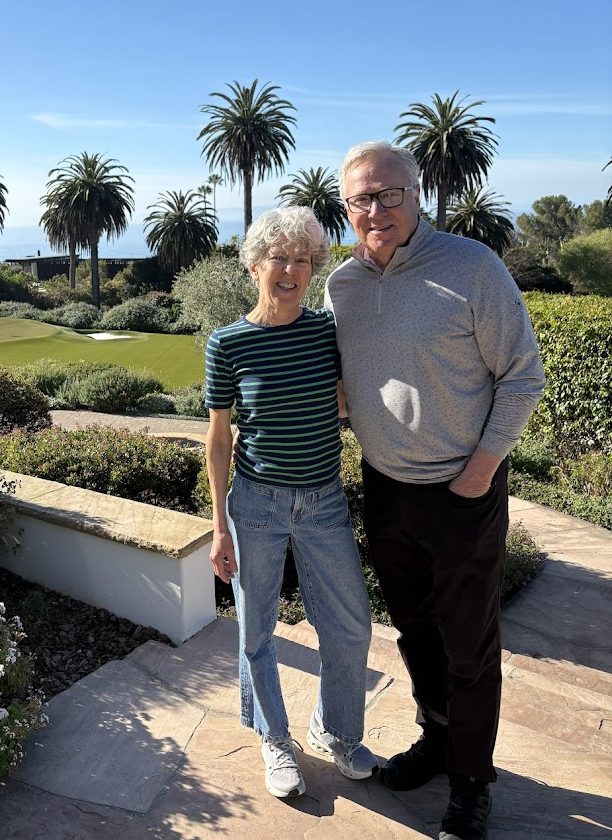
The board work is rewarding, but it represents only a small part of what retirement looks like today. My wife and I have traveled to visit friends and family around the country. I have enjoyed golf trips with longtime friends and spent more time supporting our four adult children as they navigate graduations, relocations, and career transitions.
Closer to home, there is a large vegetable garden that keeps me busy, and there are family members who occasionally need support. I also joined a book club focused on history and biographies. Reading for pleasure is something I rarely made time for during my career, yet I have already read more books over the past year than I had in many years before. There is no shortage of things to do.
The common thread is flexibility. For decades, even vacations came with conference calls, emails, and the expectation that I remained available. Today, when an opportunity arises, or my family needs me, I can simply be present. I no longer spend Sunday evenings thinking about Monday morning. I still enjoy engaging in meaningful business opportunities. The difference is that they now fit around the life I want to live, rather than the other way around. That balance is exactly what I hoped retirement would become.
Looking ahead
That flexibility did not happen by accident. Looking back, one of the best things I did was give myself permission to explore before making commitments. I spent time talking with people, listening to their perspectives, and considering possibilities without feeling pressure to immediately define the future.
For anyone approaching retirement, I would encourage them to do the same. Have conversations. Reconnect with people. Listen to their ideas. Explore possibilities. Be honest about what interests you, rather than what you think retirement is supposed to look like. You don’t need a detailed road map on day one. A framework is enough. The rest tends to unfold through conversations, relationships, and opportunities that reveal themselves along the way.